Tutorials
Unlock the Chest Bass: From Growl to Groove
Drop a bass people feel before they hear it. The chest bass is powerful, versatile, and more natural than you'd expect.
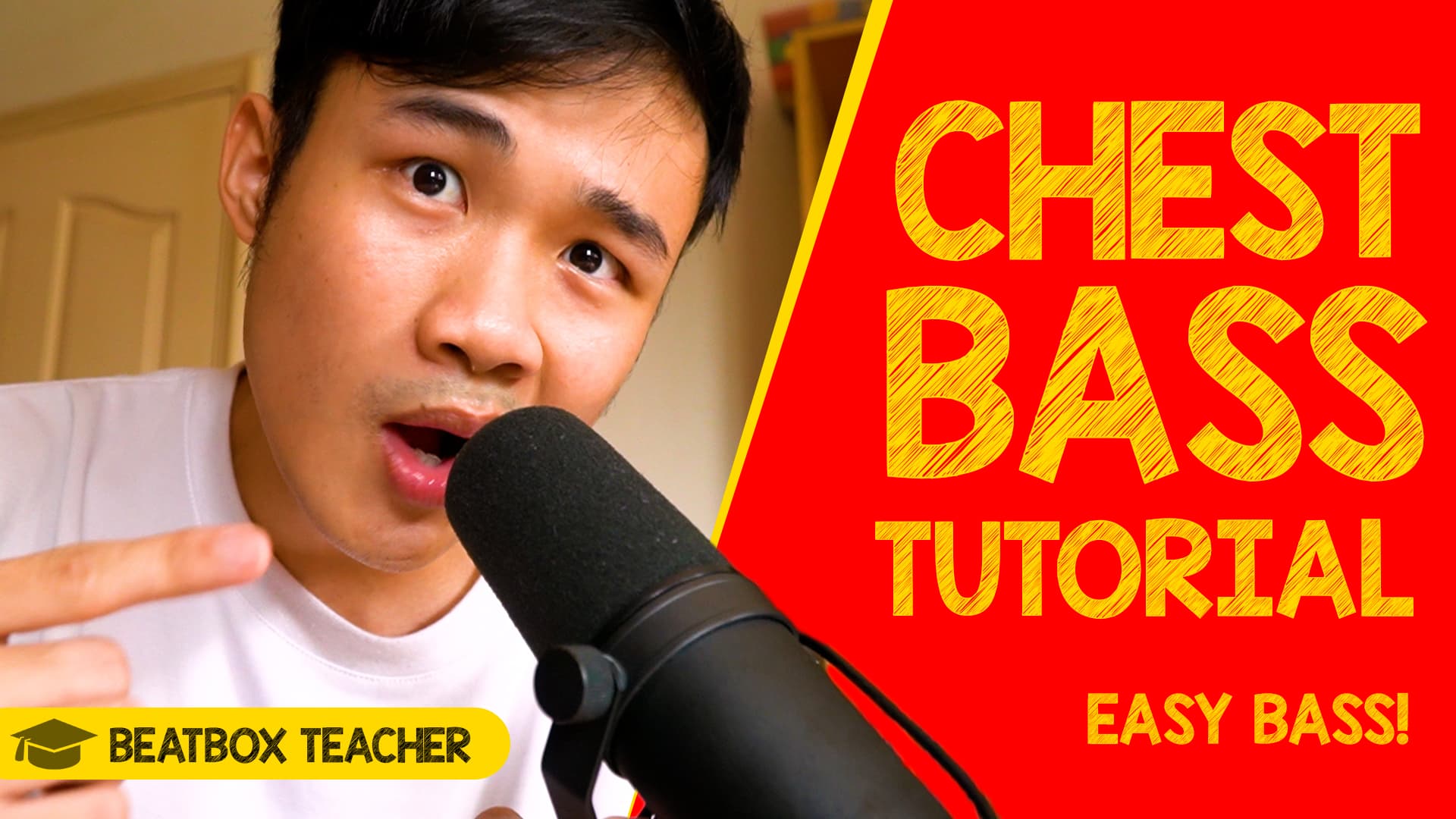
Ready to drop a bass that people feel before they hear? The chest bass is one of the most powerful and versatile sounds in beatboxing — and you might even find it more natural than you expect. In this guide, you’ll learn how to produce the chest bass, troubleshoot common problems, add texture, and start using it musically.
Why Chest Bass Is Worth Learning
Some beatboxers pick this sound up quickly because it borrows from the natural growl used in singing. It’s more intuitive than throat bass for many people and gives you a range of textures depending on how you control it.
Change the tightness of your throat and you instantly change the style:
Tight → robotic and clean
Loose → deeper, rumbly vibration
Falsetto chest bass → combine with sirens for crazy effects
You can use it in beats, melodies, covers, and layered combos.
How the Chest Bass Works
This sound relies on your false vocal folds (above your true vocal cords). That’s different from throat bass, which uses the arytenoid muscles.
You can learn chest bass in two steps:
Step 1: Angry Throat Clear with an “M”
Make an irritated “mm” like you’re scolding someone:
m-m
Step 2: Sustain It
Hold that vibration:
m-mmmmm
That’s your chest bass.
Didn’t Get It Yet? Let’s Troubleshoot
Problem 1: It Hurts
Totally normal. You're activating muscles you rarely use.
Solution:
Rest when it strains
Drink water
Don’t push through pain
It’s safe even for singers as long as you treat it like vocal training.
Problem 2: No Vibration
Try shifting your voice into a “Kermit” or opera-style position.
Pull your tongue and throat slightly back
Add a bit more pressure
Experiment with breath
A deep sigh approach can also help you find the rumbly tone.
Problem 3: You Keep Making Throat Bass Instead
If you already know throat bass, your body may default to it.
To correct it:
Keep your teeth together
Drop your Adam’s apple
Aim for a darker tone
There should be a visible difference in your throat movement.
Pro Tips to Shape the Texture
Once you can make the basic sound, start customizing it.
Tight vs. loose: Switch between clean and rumbling tones
Use vowels: Try “wah” or “wee” to move the sound around
Add wobble: Fill your cheeks and pulse the air
Experimentation helps you find your own sound.
Practice Exercises
Here are targeted drills depending on the style you want:
Looser Chest Bass
Start with a breathy “ha” and vary the pitch.
haaaa → go lower and higher
Use vocal pitch exercises to explore range.
Tighter Chest Bass
Start with a glottal “ah”:
Then remove breathiness and tighten it. Switch to “we” sounds for clarity and tone focus.
“Well-well” is a great exercise for control.
Add Chest Bass to Beats
Even basic beats help you find control and consistency. Layer the bass into familiar patterns and play with timing.
Final Note
You’ve just unlocked a foundational beatbox sound. Give your throat time to adapt, keep practicing, and don’t be afraid to play with tone, breath, and texture.
Watch the full tutorial here:

Join the Beatnation community
Battles, events and beatboxers from all over Malaysia.