Tutorials
Turn Your Tongue into a Bass Engine: A Guide to the Tongue Bass
Epic on mic, perfect for Transformer effects and machine-gun rolls — the tongue bass adds real weight to your sound.
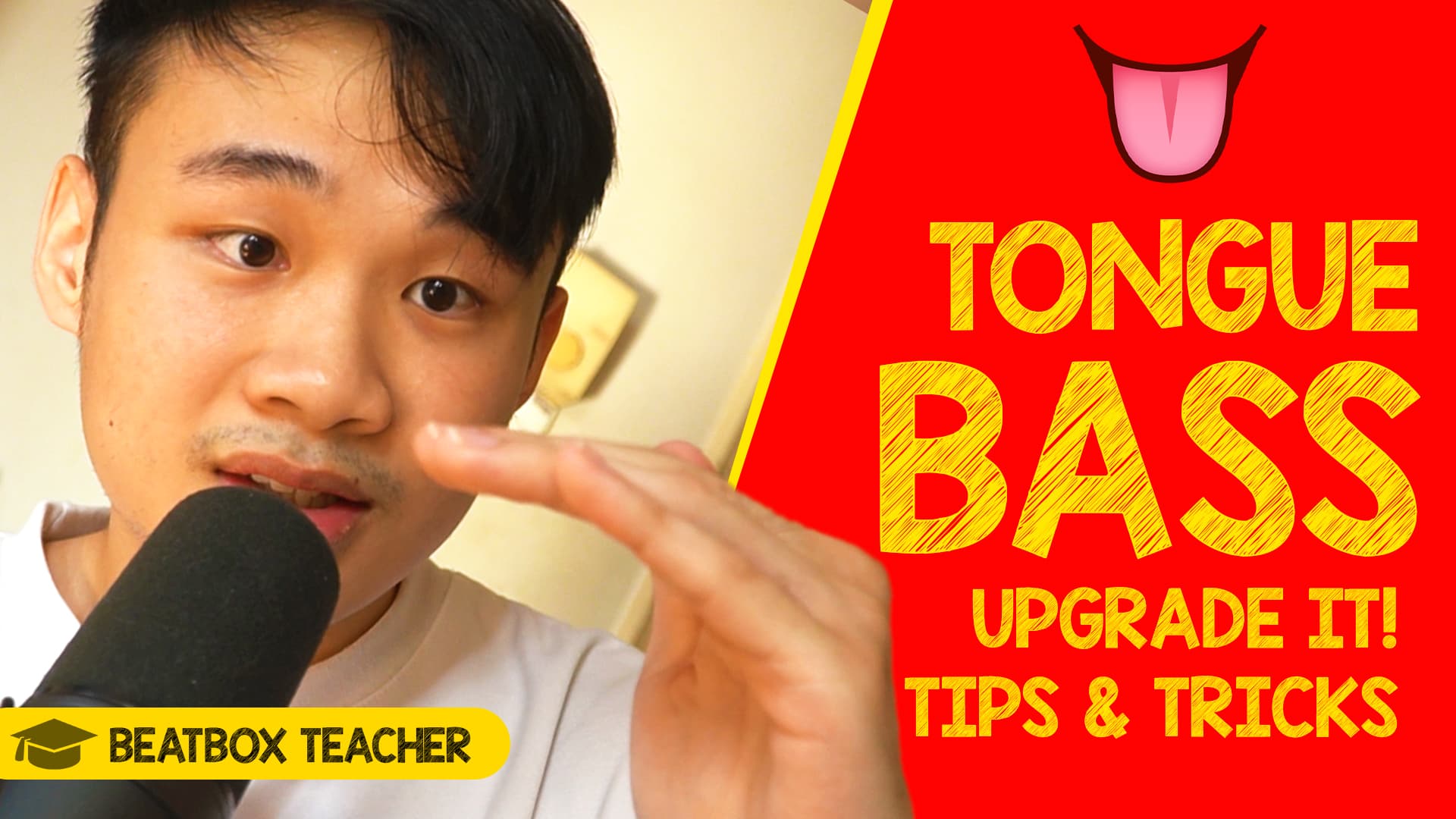
The human tongue bass is one of the most exciting sounds you can add to your beatbox arsenal. It’s epic on the mic, perfect for Transformer-style effects, machine-gun rolls, and multi hi-hats. It gives your beats real weight and texture — and the best part? Most people find it easier to learn than they expect. In this guide, you’ll learn how to control the tongue bass, troubleshoot common problems, explore pro-level textures, and practice it in beats.
Why the Tongue Bass Deserves Your Attention
This sound shines on the microphone. Whether you want:
Transformer effects
A rapid-fire machine gun
High-speed hi-hat rolls
…the tongue bass can do it. It grounds your beats and instantly adds power.
You control the tongue bass mainly with two things:
Your tongue
Your jaw
Step-by-Step: How to Get the Basic Sound
Step 1: Tongue Position
Start by positioning your tongue the way you would when saying the letter D. Your tongue should press against the roof of your mouth.
Step 2: Use breath, not voice
Once you can roll the sound, try doing it using just airflow instead of your voice.
Got it? Amazing.
If not, here’s how to break it down further.
If You're Struggling, Start Here
Problem 1: Tongue Position
Start by positioning your tongue the way you would when saying the letter D. Your tongue should press against the roof of your mouth.
Problem 2: Firm Base, Loose Tip
Make the base of your tongue firm
Keep the tip loose
Exhale air so only the tip vibrates
You can start the sound with a D or T attack, either voiced or unvoiced:
“d…” or “t…”
Think of it this way: Glue the sides of your tongue to the roof of your mouth. Seal off the base so air can only escape at the tip. Because the tip is loose, the air will push it up and down repeatedly — that’s where the vibration comes from.
Another technique: Press your tongue hard against the area just behind your front teeth (like making a T or D), and force air through with pressure. From there, gradually loosen the tip so it vibrates more.
Some people get it right away; others need more playtime. Keep experimenting — you might even invent a new variation while practicing. And if you really can’t get it, try learning the lip bass as an alternative.
Pro Tips for Better Tone and Texture
Tip 1: Tongue Tip Controls the Sound
Move the tip of your tongue to change the style:
Against your front teeth → lighter multi hi-hat or machine-gun texture Add more pressure and even clench your teeth for a sharper machine-gun effect.
Further back on the palate → deeper bass tones Combine with an “O” mouth shape to control pitch more easily.
Flat under the front teeth → light bass texture
Tip 2: For Transformer Sounds
Exhale using syllables like ho ho ha he and hold the back of your tongue in a K-like position. That adds a tight, gritty overtone. Without that pressure, it loses the effect.
Once you’re comfortable, explore other bass voices like:
They’ll give you alternative textures and styles.
The tongue bass opens up sound design, rhythm, and performance possibilities fast. Keep playing with pressure, tongue placement, and airflow — the sweet spot is usually just a few experiments away.
Watch the full tutorial here:

Join the Beatnation community
Battles, events and beatboxers from all over Malaysia.