Tutorials
Sound Like a Subwoofer: How to Build a Strong Throat Bass
Versatile, impressive, and deeply satisfying — the throat bass lets you speak, sing, and beatbox simultaneously.
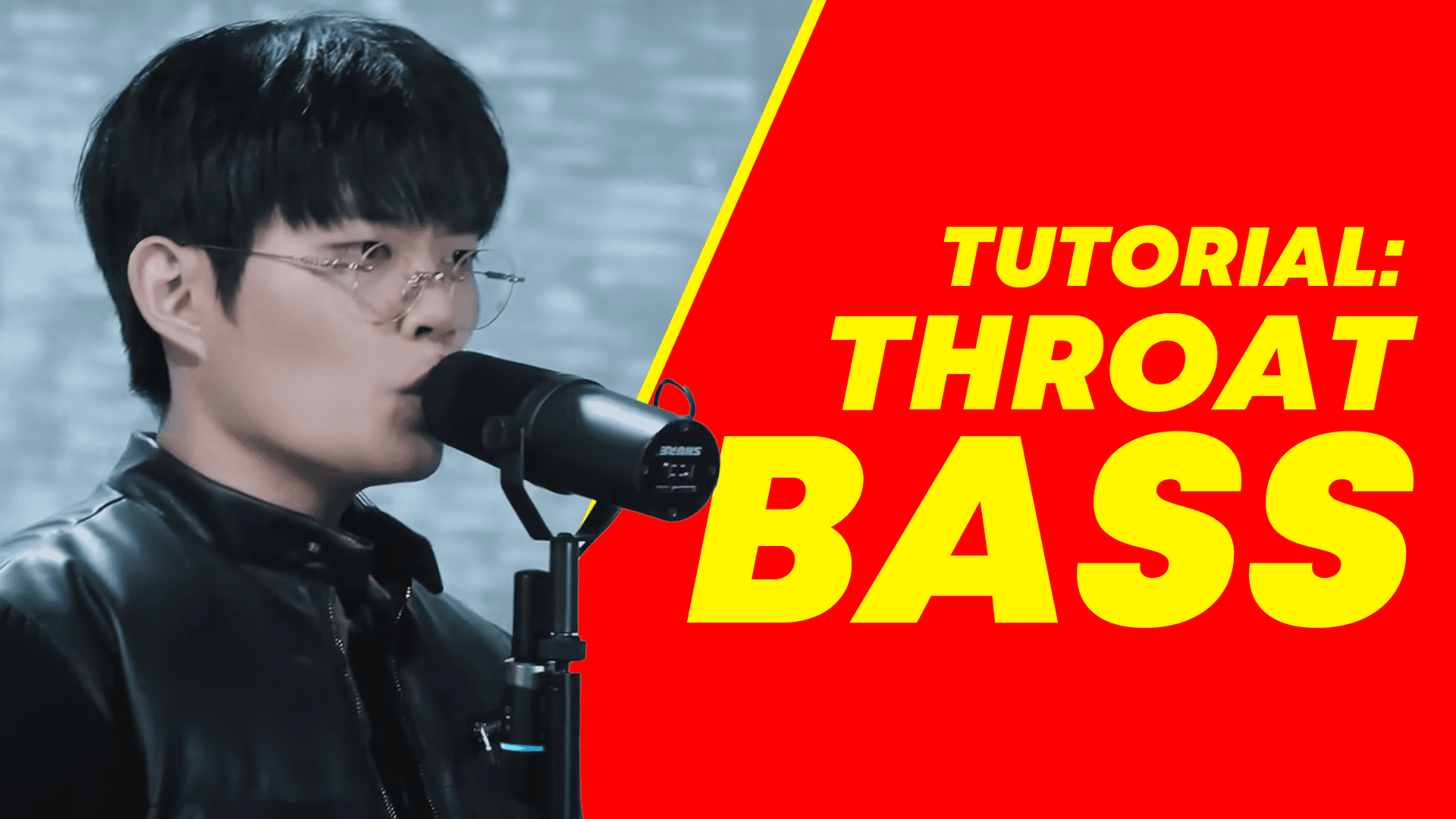
The throat bass is one of the most versatile and impressive sounds in beatboxing. You can speak with it, sing with it, weave it into melodies, and flip between your regular voice and bass seamlessly. If you’ve ever wanted that deep, gritty rumble used in modern beatbox routines, this is the one to master.
Why the Throat Bass Is Worth Learning
Adds weight and texture to your beats
Works melodically for catchy basslines
Lets you talk or sing while using it
Can transition from your normal voice smoothly
Once you get control, it becomes one of the most powerful tools in your arsenal.
How to Control the Sound
The throat bass is driven by your throat muscles, not your lips or tongue. You’ll adjust things like tension, airflow, and vowel shapes to fine-tune it later, but it starts simple.
Step 1:
Squeeze your voice like you’ve got a stomach ache and say “ah” or “uh.”
Step 2:
Push out more air and tension until the vibration “locks in” to a smoother bass tone.
Keep experimenting until it rumbles and sits comfortably low.
Not Getting It Yet? Here’s What to Fix
Problem 1: It Hurts When You Try
That’s normal at the start—this is a muscle you don’t usually activate. Just like the gym, sore means it’s working, injured means stop.
Solution:
Drink water
Take breaks
Don’t overstrain
If it gets too painful, pause and rest
You can also trigger the vibration by clearing your throat then hold the sound a bit longer.
But note: clearing your throat can also trigger another bass—chest bass.
Problem 2: You Keep Getting Chest Bass Instead
If it sounds more like a singing growl—wow wow—you’re getting chest bass, not throat bass.
Here’s how to redirect it:
Option A: Start with a harsh whisper
Say “ha” in a tense, squeezed way and slowly add voice without losing the tension.
Option B: Avoid the Kermit voice
Don’t speak dark, pulled back, or too low in the throat. Make it brighter and slightly nasal: “Yeah—yeah—like this.”
If chest bass comes more naturally, feel free to learn it first and come back later.
Pro Tips to Refine and Expand the Sound
Once you get the basic throat bass, play with:
Tip 1: Start with One Vowel
Begin with “Mmm” or a neutral "uh" and stick to a single note. This trains consistency before you move around.
Tip 2: Play with Vowels
Try sounds like:
Mmm
Ehh
Ooo
Ahh
Explore which shape gives you the best tone while keeping the vibration stable.
Tip 3: Expand Later, Not Immediately
Lock the texture in your muscle memory before trying to stretch your range.
Practice Exercises
1. Stutter Activation
Use repetition to train control:
Ah—ah—ah—ah
Speed it up
Try it with "M"
Even if it’s not perfect, the repetition helps the muscle fire on command.
2. Relax the Throat Over Time
Beginners often tense too much. Eventually, try opening the throat and supporting with breath from the diaphragm.
Compare:
Tight: “Hello my name is Justin” (nasal and squeezed)
Open: “Hello my name is Justin” (fuller, looser)
Aim for the second one as you improve.
Final Thoughts
This sound takes time—sometimes months, even years—to master fully. Don’t stress if it doesn’t show up immediately.
Watch the full tutorial here:

Join the Beatnation community
Battles, events and beatboxers from all over Malaysia.